
Hope Blog
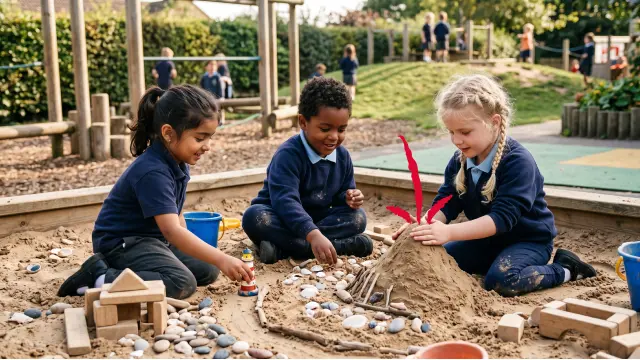
Sand Play in EYFS: What Equipment Does Your Setting Need?
Sand play is a valuable part of Early Years provision, supporting physical development, communication, creativity, problem-solving and understanding of the world. A well-resourced sand area gives children opportunities to explore, investigate and learn through hands-on experiences. Choosing the right equipment helps practitioners create engaging, safe and developmentally appropriate sand play experiences that support the aims of the EYFS.
Adelle Whitfield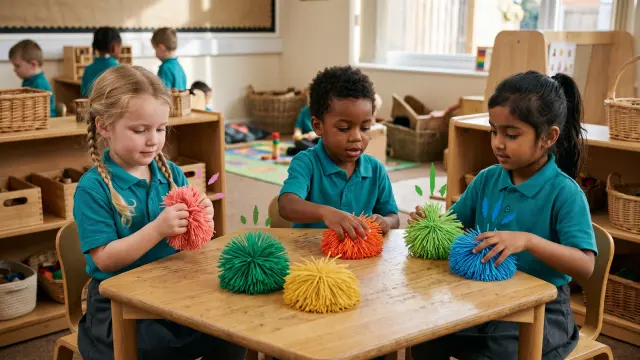
Sensory Toys for EYFS and Nursery Settings: A Buying Guide
Sensory toys can make a significant contribution to children's learning and development in EYFS and nursery settings. The most effective sensory resources support communication, physical development, creativity, emotional wellbeing and exploration through purposeful play. By selecting sensory toys with clear developmental value, practitioners can create engaging environments that encourage curiosity, independence and meaningful learning experiences for all children.
Rachel Pangburn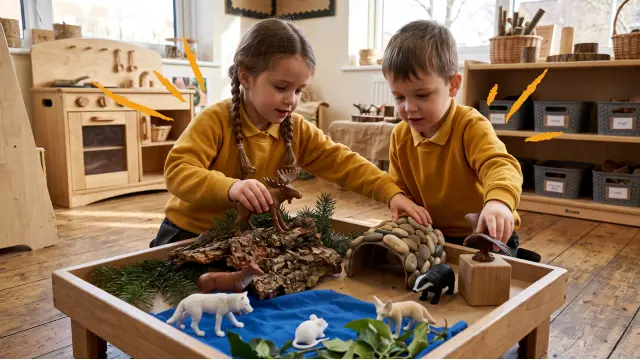
Small World Animal Figures: What Does an EYFS Class Need?
An EYFS class needs a carefully chosen range of small world animal figures that children can recognise, compare, classify and use imaginatively. A useful collection usually includes familiar farm animals, pets, woodland wildlife and creatures from contrasting habitats. Quality matters more than quantity: figures should be durable, age-appropriate, inclusive and versatile enough to support storytelling, vocabulary and exploration.
Rachel Pangburn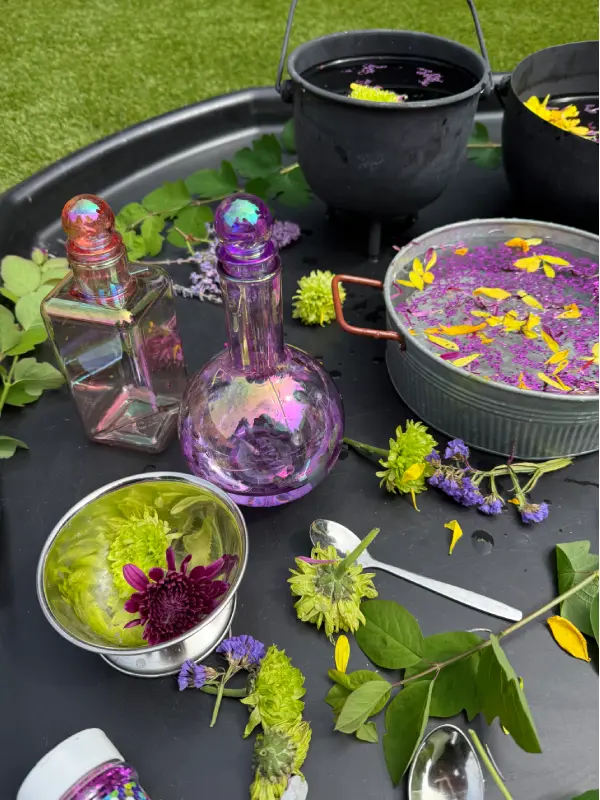
3 Easy Summer Nature Activities for Early Years: Part 1
Discover three simple outdoor summer activities that encourage creativity, sensory exploration and learning through play. Download our free activity pack from Early Years Outdoors and inspire little learners with nature-based adventures they'll love.
Katie Taylor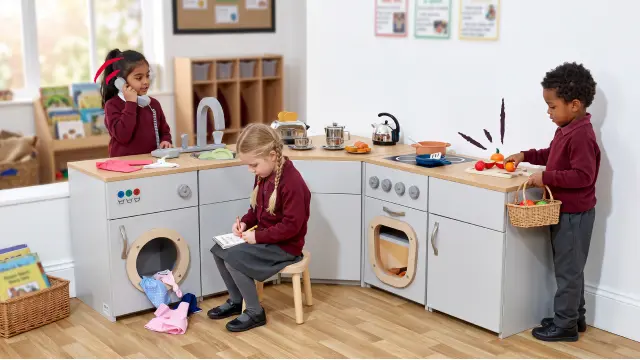
Setting Up a Home Corner in Your EYFS Classroom
A well-planned home corner helps children develop communication, language, social skills, creativity and emotional understanding through meaningful play. In EYFS classrooms, home corners provide opportunities for children to explore familiar experiences, build relationships, develop vocabulary and make sense of the world around them. When thoughtfully organised, they become one of the most valuable areas within continuous provision.
Adelle Whitfield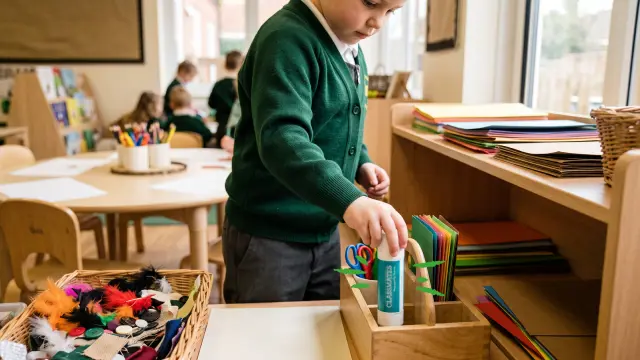
What Glue Is Safe for EYFS Children to Use Independently?
The safest glue for EYFS children to use independently is typically a non-toxic glue stick designed for educational use. Glue sticks are easy for young children to control, support developing fine motor skills and create less mess than many liquid adhesives. When chosen carefully and introduced through clear routines, appropriate adhesives can help children develop independence, creativity and confidence while maintaining a safe learning environment.
Adelle Whitfield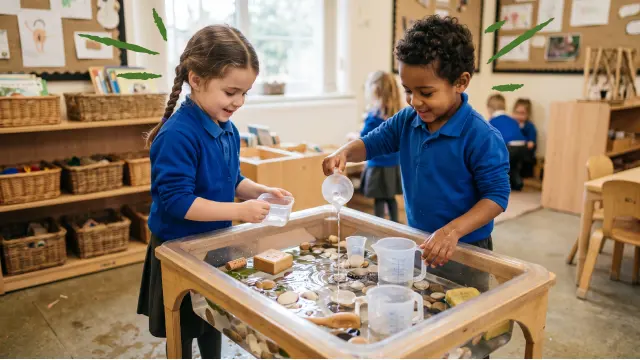
Water Tray Accessories for EYFS: A Complete Buying Guide
Water tray accessories are far more than optional extras in EYFS provision. The right resources can support physical development, mathematical thinking, communication, scientific enquiry and imaginative play through hands-on exploration. By choosing versatile, purposeful accessories, practitioners can create rich learning opportunities that encourage curiosity, independence and sustained engagement while making the most of one of the most popular areas of continuous provision.
Rachel Pangburn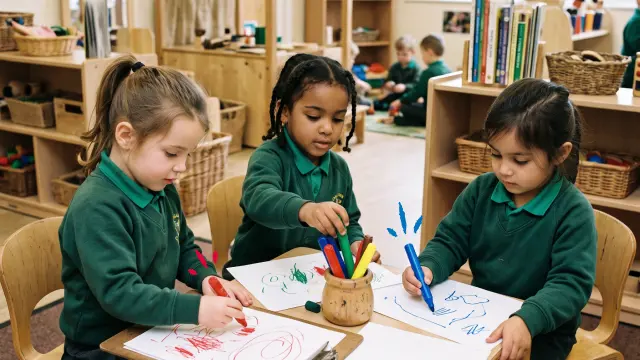
Writing Tools for EYFS and Nursery Children: A Buying Guide
The best writing tools for EYFS and nursery children are those that support their stage of physical development, encourage confident mark-making and make writing feel purposeful and enjoyable. From chunky crayons and paint markers to triangular pencils and clipboards, choosing the right tools helps children develop fine motor skills, pencil control and positive attitudes towards writing long before formal handwriting begins.
Carla Bonner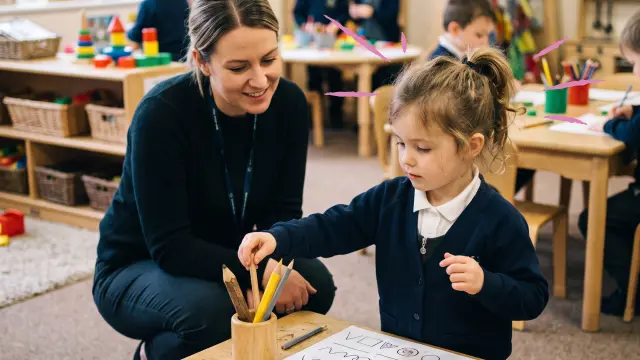
Which Pencils Support Handwriting Development at Each EYFS Stage?
The best pencils for EYFS children are those that match their stage of physical development rather than their age alone. As children progress from early mark-making to forming recognisable letters and words, their pencil needs change. Choosing developmentally appropriate writing tools can support grip strength, control, confidence and handwriting readiness while helping children build positive attitudes towards writing.
Jack Clarke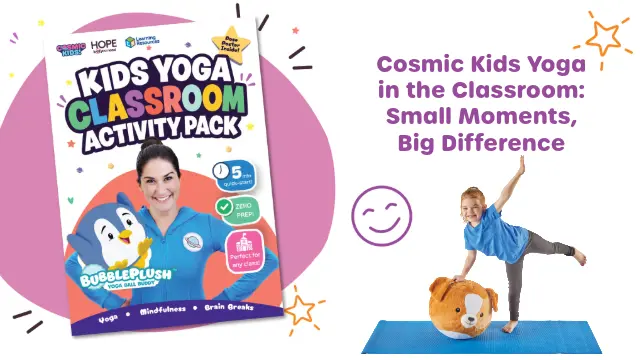
Cosmic Kids Yoga in the Classroom: Small Moments, Big Difference
Discover how introducing short, impactful yoga and mindfulness routines into everyday classroom routines helps children reset, focus, and regulate big emotions. This article explores our exclusive partnership with Cosmic Kids and Learning Resources to deliver easy, zero-prep tools designed to cultivate calmer, happier learning environments.
Win Ho
The Inclusive Mainstream Fund 2026–27: A Practical Roadmap for Schools Developing Their Inclusion Strategy
The Inclusive Mainstream Fund (IMF) provides mainstream schools with additional funding to strengthen inclusive practice, remove barriers to learning and provide earlier support for children with additional needs.
Natalie McMunn
Nourishing the Next Generation: Healthy Eating for Birth to Five-Year-Olds
Healthy eating routines established from birth to age five lay the foundations for lifetime wellness.
Emalee Caton